Malaria Prevention Playbook: How Your Travel Clinic Tailors Tablets, Repellents, and Itineraries
Travelling to regions where malaria is present requires careful planning and informed health decisions. This playbook serves as an in‐depth guide on how specialised travel clinics, such as Edinburgh Vaccination Clinic, tailor preventive measures – from prophylactic tablets and effective repellents to customised travel itineraries – ensuring that every traveller is well-prepared. Whether you are a healthcare professional advising patients or a traveller embarking on your next adventure, understanding the interplay between medication, protection strategies, and safe travel planning is key to minimising risks.
Understanding Malaria and Its Global Impact
Malaria remains a significant public health challenge, particularly in tropical and sub‐tropical regions. Transmitted by the female Anopheles mosquito, the disease can have a severe impact on your health if not correctly managed. Familiarity with the local incidence and patterns of spread is crucial. By keeping abreast of the latest regional data, travellers and healthcare providers can make informed decisions regarding prophylactic treatments and preventive measures.
Moreover, recent global health initiatives have underscored the importance of a tailored approach in managing the risk of malaria. This is where specialised travel clinics step in, offering a blend of the most up‐to-date medical advice alongside practical travel planning tips. By merging clinical expertise with personalised consultations, these services equip travellers with comprehensive strategies to navigate the challenges of malaria prevention.
Customising Preventative Tablets
One of the cornerstones of malaria prevention is prophylactic medication. The choice of tablets is influenced by a variety of factors including the destination, length of stay, and an individual’s medical history. These travel clinics thoroughly assess each patient’s needs to decide whether a weekly or daily dose regimen is the most appropriate.
Understanding the benefits and potential side effects of each medication is essential. For instance, some tablets may interfere with your sleep or cause mild gastrointestinal discomfort, while others might be better suited for longer trips. Healthcare professionals play a critical role in monitoring these effects and advising adjustments as needed.
Travellers are encouraged to begin the course of prophylaxis well before arrival at a malaria-endemic region. This not only helps build adequate levels of protection in the blood but also ensures that any initial side effects can be managed effectively. A tailored approach in selecting the right tablet will empower you to traverse unfamiliar territories with heightened confidence and security.
Choosing the Right Repellents for Optimised Protection
While preventative tablets form an essential defence against malaria, topical repellents offer a complementary barrier by keeping mosquitoes at bay. The trusty combination of repellents with long‑lasting efficacy is a significant addition to your travel kit. The ideal repellent is one that is both potent against mosquitoes and gentle on the skin. Typically, products containing DEET or picaridin are recommended.
When choosing a repellent, it is important to consider factors such as duration of exposure and environmental conditions. For instance, in heavily wooded or humid areas, a more robust formulation may be advisable. Some travel clinics also recommend using insecticide‑treated nets or clothing, especially when staying in areas where mosquito activity peaks during dusk and dawn.
This dual strategy – combining systemic medication with reliable repellents – maximises your protection on the ground. Edinburg Vaccination Clinic ensures that every preventive measure is aligned with current health guidelines and designed to bolster your overall safety.
Curating Itineraries to Minimise Exposure
Malaria prevention is not solely about medication and repellents; it also involves careful travel planning. An in-depth review of your itinerary can significantly reduce your exposure to high‑risk areas. Travel clinics work in tandem with local and international health advisories to design routes and schedules that prioritise your safety.
For example, it is wise to schedule outdoor activities during times of reduced mosquito activity and to choose accommodations that offer modern protective measures such as screened windows or air conditioning. A customised itinerary may also advise on preventive measures to take when engaging in excursions that might lead you to challenging or remote areas.
Healthcare professionals and travel advisers can offer insights into local malaria transmission patterns to help you decide which parts of your itinerary should be adjusted or enhanced with additional precautions. This bespoke planning not only fosters a healthier travel experience but also enriches your overall journey by combining enjoyment with safety.
The Role of a Personalised Consultative Approach
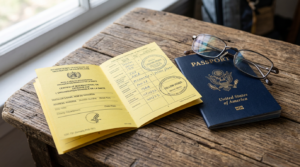
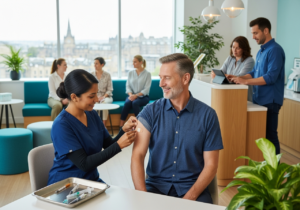
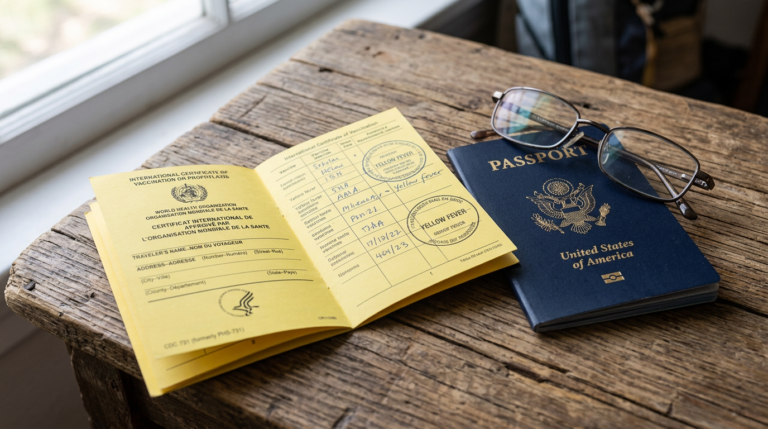
At its core, malaria prevention is a collaborative endeavour between the traveller and healthcare providers. A personal consultation provides the ideal setting to discuss your specific travel plans, health conditions, and any concerns you might have. During these sessions, experts at specialised travel clinics conduct a comprehensive review that considers recent travel history, vaccination records, and potential contraindications with the planned prophylactic medications.
This consultative approach ensures that every component of your malaria prevention plan is custom‑tailored. It is important to have an open dialogue about your previous experiences, current health status, and even any travel apprehensions you might have. Such conversations allow for the fine-tuning of your medication dosage, the appropriate selection of repellents, and the integration of safety measures into your travel itinerary.
By adopting this collaborative model, you are empowered to travel with the assurance that your health is in capable hands. It also paves the way for an adaptive strategy should your travel plans change – whether that means an extended stay or a slight alteration in your route.
Staying Informed and Proactive
Knowledge is one of your strongest allies when combating the threat of malaria. Staying informed about regional outbreaks, seasonal variations, and any changes in medical guidelines can make a significant difference in your travel experience. Regularly consulting with healthcare professionals, especially those experienced in travel medicine, ensures that your preventive measures are always current and aligned with the latest scientific research.
Travellers who maintain an active interest in emerging travel advisories are better equipped to protect themselves. When it comes to preventing malaria, proactive engagement with health professionals can be the difference between a safe trip and an unnecessary health risk. This proactive stance is exactly what distinguishes a well-prepared traveller from one taking needless chances.
Embracing a Secure Travel Journey
The interplay between tailored medication, effective repellents, and meticulously crafted itineraries creates a robust framework for malaria prevention. By investing time in understanding the dynamics of the disease and aligning your travel plans with expert advice, you take a decisive step towards safeguarding your wellbeing. At Edinburgh Vaccination Clinic, the commitment to patient care and safety is reflected in every consultation. The clinic combines state‑of‑the‑art medical knowledge with personalised travel planning to ensure that your journey is as safe as it is enriching.
If you are planning your next trip and need guidance on malaria prevention measures, consider reaching out for a bespoke consultation. Discover how a tailored approach can transform your travel experience into one marked by confidence and security by booking an appointment today. Embrace a proactive stance in protecting your health and set off on your next adventure with peace of mind.